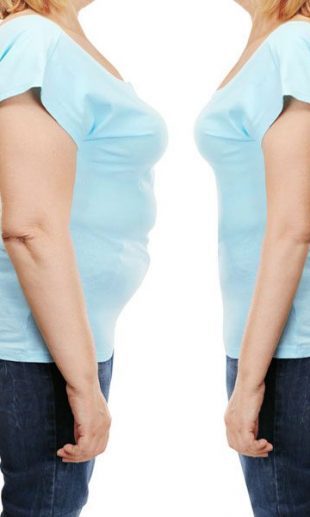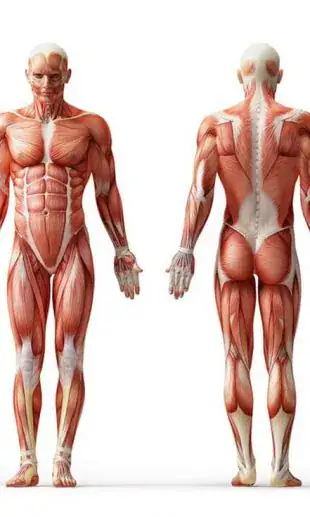

The concept, coined in the nineties, is not necessarily a new one. However, with the exhaustion of all the thousands of diets the wellness world has explored and exploited, intuitive eating has re-emerged as the latest philosophy in healthy living. It explores the principle that diets generally do not work and we must alter our lifestyle and self-care, rather than fall into the latest diet trends, to improve overall wellbeing.
Personally I believe that we no longer live as intuitively as we ought to. We have forgotten how to follow our instincts because we no longer live in a natural world where survival depends on it. The evolution of our culture has muffled the sound of instinct to the point where we barely notice it. Kitchens, refrigeration, cookers, supermarkets, restaurants, ready-made food, take-away food, fast-food, processed food, and more, have all contributed to us neglecting our inner voice when it comes to a healthy diet.
During pregnancy was the only real moment when I realised this as a truth for my own existence. I had to tune in to what my body was telling me – due to the new being growing within giving loud and clear instructions! And once you do listen, you acknowledge that there is a whole language we didn’t realise we could speak. We are not, however, all scientists and do need to get our facts straight, as well as have a healthy lifestyle in check, if we are contemplating getting back to our native roots and eating on instinct.
We can’t just go around eating whatever we feel like at any time of day because we think our body just told us to! Imagine when you’re having an illicit sugar craving! We could get into all sorts of trouble. On the flip side we could also have the potential to be tuning in to the reality of what our individual body’s need for optimum health.
So, let’s take a look at how intuitive eating could possibly work, and the risk factors involved…

The idea behind the philosophy is to be able to eat what you want, when you want, according to the personal needs of your unique system. This is all well and good but what if – due to habit – our body is telling us to continue pumping it full of the sugar it has become accustomed and addicted to? That would be a foolish and misguided intuition.
We are also expected to acknowledge when we are full. Yet, how will a body that has been overeating for years have any capacity to be aware of this limitation?
The key, as those who promote intuitive eating insist, is to pay attention to the body’s signals, enjoy your food, do not restrict when and what you eat, and get rid of guilt when it comes to your diet. The premise is that this will shift a person’s feeling of food, reduce their fear of it, and allow them to eat guilt-free. Once this happens they are no longer focussing on specific ‘dos and don’ts’ but more their own body’s limitations. Reducing a preoccupation of the relationship between food and weight can serve to boost psychological health and then give the individual a better mental attitude towards maintaining a healthy life.
I think the most important key factor here, when discussing the possibility of intuitive eating being a positive thing, is knowledge. Anyone wishing to shift their lifestyle in a more instinctive direction absolutely needs to be informed. Be aware of the difference between physical and emotional hunger, and only hone in on the physical. We need to eat, it is a good thing to learn to feel your own hunger and decipher what it means; what your body needs. As importantly, we need to respect and acknowledge when we are full and refrain from overeating. Enjoy eating, enjoy your food, and feel satisfied by it. Eating should be a positive experience that can make you feel ‘better’.
To be truly informed we need to get into the unique science linked to our individual physiology – that may sound complicated but it won’t do us any good to eat intuitively if we aren’t aware of what foods affect our body and how. For example, we ought to know which foods react negatively with us, we don’t want to cause inflammation, tiredness, bloating or other gastronomical issues through ignorance. Perhaps rather than naming it ‘intuitive’ we could call it ‘informed’ eating?
Whether you feel this is something you could go for or not, we must also not forget that all pillars of health are required to achieve overall wellness – just eating well is never the only key to our wellbeing; sleep well, eat well, exercise well, hydrate well and find your spiritual balance… perhaps all these can be intuitive? However you decide to eat, listening and tuning in to our bodies is never a bad idea, tap into who you really are and what you need, you may be surprised by what you tell yourself!
Online Diploma Courses in Nutrition
Here at the School of Natural Health Sciences we offer over 60 holistic health diploma courses. But by far our most popular courses are those to do with Nutrition. Each age and stage of life presents different demands on the body, and vegetarian and vegan diets require extra special attention to ensure that the body is receiving all the required nutrients for optimal health.