Self Study: £75 Tutored: £95
Instalments: Deposit Payment
A Distance Learning Diploma Course of 12 Lessons
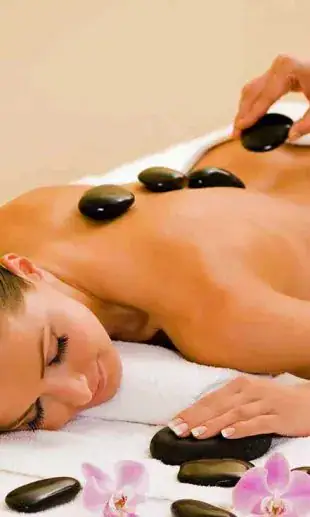
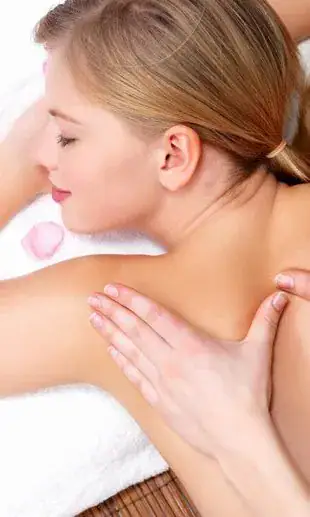
How would you like to train as an Aromatherapist? This course includes the ‘Full Body Massage’ using your own blends of ‘Essential Oils’.
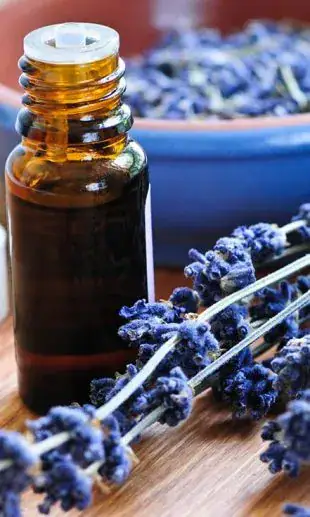
Aromatherapy has proved to be highly successful in the alleviation and cure of many ailments. Aromatherapy works in two ways – the widely accepted benefits of body massage and the inhalation of essential oils reduce stress and improve the general state of health and well-being. This is a comforting, reassuring and healing therapy.
Our course is open to both ‘practicing therapists’ and individuals who have an interest to learn this skill. This in-depth course will lead you step-by-step through the treatment sequence and teach you everything you need to know in order to become a Professional in your field.
No previous knowledge is required to study this subject; we train our students from beginner to practitioner/therapist level.
There is a link from our course material to an instructional ‘Massage Video’, which demonstrates all the Practical Massage Techniques for this subject, demonstrated by a Professional Therapist.
Students who do not wish to study and qualify in the ‘practical massage’ element will be awarded our accredited diploma in – Aromatherapy (theory).
Tutored: Single payment of £295
or £95 deposit followed by 4 monthly payments of £50.
Self Study: Single payment of £175
or £75 deposit followed by 2 monthly payments of £50.
Aromatherapy 2 for 1 – If you choose to order the Aromatherapy & Advanced Aromatherapy Courses at the same time we will give you the non-advanced Course for Free. This offer does not apply to payments made by instalments.
Order Aromatherapy Courses 2 for 1
• Human Anatomy – Axial Skeleton, Appendicular Skeleton, Joints of the Skeleton
• Human Anatomy and Physiology (Endocrine Glands)
• The Nervous System
• Muscular Tissue of the Body – Voluntary Muscle, Involuntary Muscle & Cardiac Muscle
• Muscles of the Skeleton – Anterior Aspect, Posterior Aspect, Erector Spinae, Lateral Column, Intermediate Column and Medial Column
• Anatomical Terms – sections of the body
• Properties of ‘Essential Oils’, Uses and Contra-Indications
• The Positive Effects of Massage when Combined with ‘Essential Oils’
• Carrier Oils for Diluting the ‘Essential Oils’
• Combining the ‘Essential Oils’ Together and Blending Techniques
• The Positive Effects of Massage when Combined with ‘Essential Oils’
• Types of Massage – Effleurage, Petrissage, Tapotement & Friction
• Manipulation & Massage
• Dealing with Tension, Frustration, Depression, Anxiety etc. through massage
• Full Aromatherapy Body Massage: Back Massage; Back & Front of Legs; Neck; Arms & Shoulders and the Scalp & Face
• The Nervous System – Cutaneous Innervation, Sensation and Reflex Action – associated with the body massage
• Autonomic Nervous System – Sympathetic & Parasympathetic
• Introduction to 30 plus of the most well known ‘Essential Oils’
• How do Oils work?
• Tips for basic blending – the three notes of scent – top, middle & base
• Therapeutic ‘Essential Oil’ Recipes
• Psychology – understanding your client
• Presenting Yourself as a Professional Therapist
• Taking a ‘Case History’
• Record Card
• First Aid
Students who do not wish to study the ‘practical massage’ element will be awarded our accredited diploma in – Aromatherapy (theory).
Renata Jamaldeen
Surbiton, England
I am happy to share my experience studying for Aromatherapy course with the School of Natural Health Sciences.
The course was a good introduction into the subject with well structured handouts that gave me guidance while making me look for more information independently.
The flexibility of learning new holistic skills in my own time suits me well. The School has an extensive program for anyone wishing to learn holistic healing craft. Your feedback on my papers was always prompt and brief and I also appreciate your availability on the phone.
I look forward to continuing my collaboration with the School. Many thanks for your support so far.
Melissa Bevan
Hainaut, Belgium
I have really enjoyed studying with the School of Natural Health Sciences and will definitely be pursuing more courses in the future. Thank you too to your fabulous staff and my lovely Tutor Richard Sneddon.
I found you on Google and was taken by how easy it is to study with your school, there’s no complex system; you just enrol and get on with the lessons. My lessons were very thorough and to the point, a fabulous course!!
Sally Elway
Gloucestershire, England
I have really enjoyed the Aromatherapy course and want to learn more.
Thank you for this course, it has been interesting and informative, with easy to follow lessons and question papers. I would recommend this subject to anyone. I only wish I had the time and money to study more with you, as I find alternative therapies fascinating and very worthwhile in today’s manic lifestyle.
Looking forward, very much, to starting my next course with the School of Natural Health Sciences!
Which distance learning study method should you choose?
Self Study: The self-study option is a faster method of study for those who feel they may not need that support. The Self Study team review each part of your course, rather than lesson by lesson, and the team will assess your work and inform you if you are making serious errors. You will not receive feedback on your work, and you may be asked to repeat an answer paper which does not reach our threshold of acceptance.
Tutored: The tutor option is for students who would like feedback on their work and who may require more support in their studies. Our dedicated Tutor Team will review your work lesson by lesson and give you feedback, where required. You can ask questions, and the team can guide you to success by helping you navigate the course material.
There are no time restrictions, you simply study and return work when you wish. Our courses do not expire, so take your time and enjoy the gentle learning curve. You simply work through the assignments at your own pace, free from the restrictions and pressures of working to deadlines.
On average students take approximately 200 hours, 3 – 4 months, to complete a non advanced course. Around 300 hours 5 – 6 months for an advanced course plus time for practical work with your volunteers for any hands-on therapy.
This is simply a guide; everyone studies at their own pace.
There are question papers at the end of each lesson, and a final question paper at the end of each of the courses which are all conducted via email. No attendance is required.
The Final Exam is classed as an open book exam so you can consult your course material to help if necessary.
An insurable Practitioner/Therapist Level Qualification is awarded on successful completion of this course.
See our Accreditation Page for the list of independent accrediting bodies who approve and accredit our courses in the UK and around the World.
The tutor option is for students who would like feedback on their work and who may require more support in their studies. Our dedicated Tutor Team will review your work lesson by lesson and give you feedback, where required. You can ask questions, and the team can guide you to success by helping you navigate the course material.We are always available to answer any of your questions if they are not included on our Frequently Asked Questions page. Simply contact us by telephone or email!