Hypopressive exercise, the technique originally designed to help postpartum women with pelvic floor dysfunctions, is now used worldwide to stimulate abdominal and pelvic muscles, tone your abs and strengthen your core.
Initially designed to help new mothers regain their pelvic floor function, this technique of reducing pressure has gone beyond its original purpose and recently become the new core strengthening workout. Hypopressive, literally meaning ‘to decrease pressure’, is a low impact method used to focus our breathing on the diaphragm and strengthen the abdominals and pelvic muscles and by definition consists of generating a hypopression in the abdominal cavity. The pelvic floor is an otherwise relatively abandoned area when it comes to exercise, if left unattended to after childbirth women often experience varying levels of urinary incontinence and even prolapse. These exercises were created with this in mind however were discovered to be beneficial for everyone to train the true function of their core.
So how does it work?
“This form of exercise reduces pressure to the thoracic, abdominal and pelvic cavities, where traditional exercises, abdominal training, gravity, as well as the majority of our daily activities are Hyperpressive – they increase intra-abdominal pressure”, says Marcel Caufriez who first developed the clinical format. “It is not to say that doing these everyday activities and sports are bad for us, in fact most of what we do – even walking – increases this internal pressure. What we need to address is how well our bodies are able to manage these pressures and prevent the onset of injury/dysfunction”. The exercises elevate the visceral packet (utero-vagina, urethra-bladder, rectum and intestines), whilst also provoking a contraction of the abdominal muscles and the pelvic floor and are reminiscent of the yoga practice ‘Uddiyana Bandha’. It is a far healthier way to tone your abdominals as opposed to the intense aesthetic-minded ways which have been popular in gyms and bodybuilding in the past.
What kind of exercises does it involve?
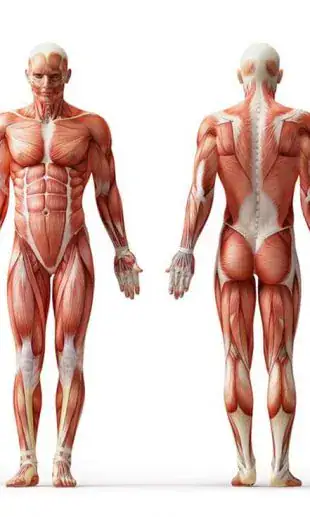
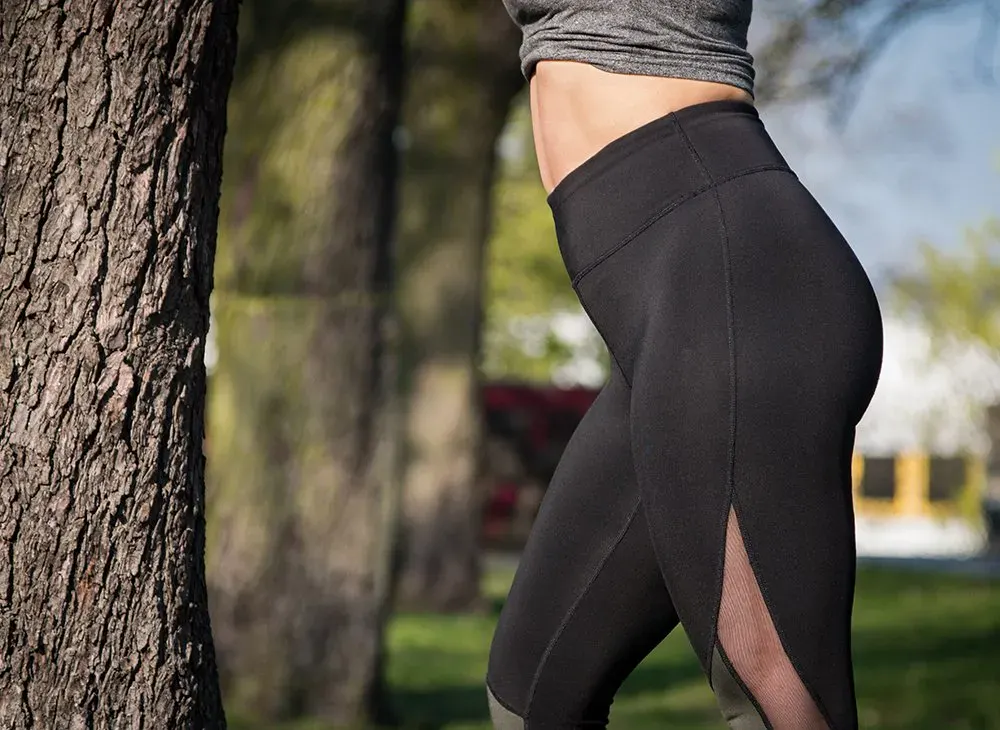 The exercises are designed to work the pelvic floor muscles, abdominal and transverse obliques by way of a low pressure fitness program based around certain breathing methods (apnea) and movement.
The breathing is a vital part of the technique and focuses on the diaphragm. This helps to reduce tension in the abdominal region and activates slow twitch muscle fibres in the pelvic floor. The breathing exercises entail inhaling through the nose, holding the air in for up to ten seconds whilst contracting the abdominal muscles, and exhaling via the mouth. It is imperative that all the air be exhaled before the muscles are contracted, the lungs must be fully emptied if you like. It is almost the opposite way of breathing that we are used to and so feels a little strange and takes time to get it right, but with determination it can be mastered and the benefits are worth the effort.
Hypopressive exercise is not vigorous, another reason it is appropriate for everybody, and involves a good dose of relaxation. Posture is also an important part of the process, for example, standing with feet hip width apart, shoulders back, hands out to the side facing backwards and arms strengthened. Head up straight and chin level. Once relaxed and in this position the breathing can begin. Breathe in for two seconds and hold whole tensing the abdominal muscles and then release every bit of air after around six seconds of holding the breath. Repeat up to five times. Then move into the next posture, of which there are many different types, known collectively as a ‘flow’. Some flows will involve floor work, some are mainly standing but there are different ones for all levels. Once you achieve a good level when you breathe in you’ll notice your internal organs will contract during specific positions.
What are the benefits?
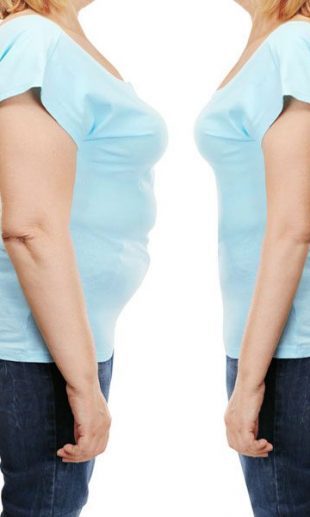
The pelvic floor muscles are strengthened which, obviously for women, greatly assists childbirth and pregnancy but also lowers the chances of lumbar disc hernias, prevents pelvic organ prolapse and can actually treat the already prolapsed organs. It strongly helps to maintain an excellent posture and gait and can also reduce the waistline and helps prevent and treat urinary incontinence, especially after multiple births. It can improve circulation and respiration and or improve athletic performance. Others have commented that sexual performance and function are improved.
When to do your Hypopressive exercise…
Aim to complete your daily routine before meals and not before going to bed as otherwise it may interfere with digestion and sleep pattern. Despite hypopressive exercises being suitable for most people they are not recommended for those with high blood pressure, Crohn’s disease, back or muscle injuries (particularly knee and shoulder problems), nor by pregnant women, unless they are approved and supervised by a doctor with the appropriate modifications. Therefore, as always, consult your doctor beforehand to determine whether this is right for you.
Other than these guidelines this exercise technique is a safe and effective way to train those muscles needed to withstand any problematic pressure that can result from our everyday living or exercise, and allow us to safely and confidently continue doing the activities we love.
Online Distance Learning Diploma Courses in Holistic Therapies
- Here at the School of Natural Health Sciences we offer over 60 holistic therapy courses, all of which can be completed from the comfort of your own home and according to your own schedule. Our courses have no expiry date and the speed with which you complete them is completely down to you. No deadlines, no stress, just education the holistic way!
- View our A-Z course listing page
- View our Special Offers, there are huge savings to be made on course purchases
- Any questions? Just Contact us, we’d be delighted to help!