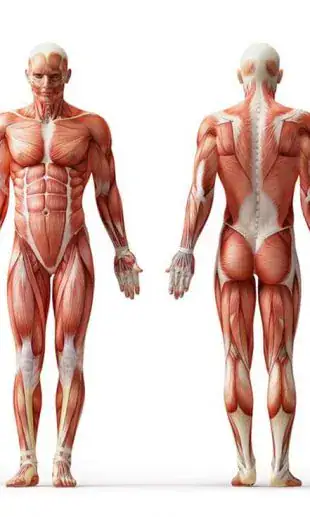
Nutrition advice is so focussed on food, but here’s what you should and should not be drinking according to Ayurveda.
The ancient traditions of Ayurveda focus on there being three body types or ‘doshas’; pitta (fire and water), kapha (water and earth) or vata (space and air). To work out what your dosha might be (you can lean towards more than one but usually there is a dominant one) you can complete a simple online questionnaire. Whatever your constitution tendency turns out to be can determine any health issues you may have or could be prone to, highlight strengths and weaknesses, and therefore effectively outline your unique needs when it comes to diet and overall wellbeing.
Most recipes and dietary information points towards the dos and don’ts of foods, but what are we supposed to drink alongside our meals to optimise health and nutrition? Well, according to Ayurveda it is more about the when and how as well as what we ingest. If we look deeper into the function of digestion and understand the process we can shed more light on the concepts they adhere to. If we relate the act of digestion as being a fire inside us then we have to ensure that we keep the fire stoked in order to effectively digest everything we consume. And liquid has a big part to play in this:
As with most diets, Ayurveda insists that water is the main event when it comes to your beverage of choice. However when other drinks are being chosen you should consider your personal constitution, or dosha, to influence your decisions; the composition of the liquid – temperature, texture, strength, depth, etc. alongside the taste; sweetness, sourness, salt content, bitterness and pungency or astringency; has different effects and you want to pacify your system as opposed to aggravate it.
Kapha
The kapha dosha, being made of water and earth elements, generally requires the least water of the three. Astringent liquids; bitter, spicy and pungent are key for a healthy kapha keeping beverages light and clear. Water or herbal teas are on the yes list plus green juices with plenty of leafy greens. A little amount of caffeinated drinks is acceptable for a kapha type to boost the constitution slightly. Being a heavy constitution means kaphas should not consume too much creamy or milky drinks and avoid cold drinks.
Opt for: Warm or hot water, black or green tea, vegetable juice, herbal tea (dandelion, nettle, fenugreek, ginger, cinnamon, cardamom); coffee in moderation.
Avoid: Dairy, nut or seed milk, sweet drinks, icy cold drinks.
Pitta
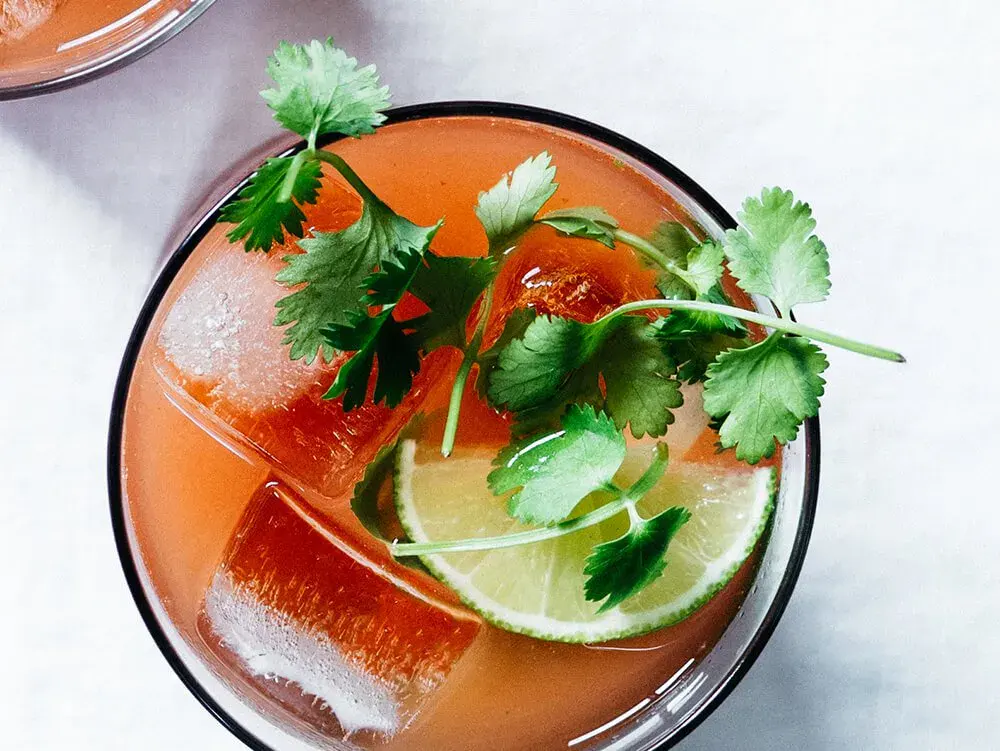
The pitta constitution runs hot, which can lead to dryness, but makes up for it as they are part made of water. Being also a fire-based dosha the pita should avoid too much fermentation and acidic drinks as this leads to too much heat.
Opt for: Room-temp water, coconut water, green juices, sweet fruit juices (berry, mango, guava), herbal teas (dandelion, nettle, mint, chamomile, hibiscus, lavender, rose, jasmine), cow’s milk, seed milk.
Avoid: Coffee, orange juice, grapefruit juice, tomato juice, alcohol, kombucha, caffeinated drinks.
Vata
Vata types are made up of space and air which leans towards it being drier than the other doshas. If you are primarily vata you need to keep an eye on your hydration with a push towards salty, sweet and sour in order to assist your system. Steer clear of any drinks which promote dehydration such as tea and coffee, but milky drinks are beneficial for these types. Carbonated drinks are best avoided due to the vata being an air dosha.
Opt for: warm water, fruit or vegetable juice, herbal teas (chamomile, ginger, cardamom, cinnamon), dairy milk, nut or seed milk.
Avoid: Black or green tea, coffee, carbonated drinks, caffeinated drinks.
As well as focussing on the dosha the following guidelines are important in maintaining the most effective digestive system…
Meal time beverages; during meals we should drink little amounts as this is when the system (fire) needs to be at its strongest. To aid digestion prior to a meal take a warm herbal tea or simply room temperature water at least twenty minutes before you eat.
Sip it; we want to keep the fire burning, not extinguish it so avoid guzzling down a large amount of liquid at once. Keep water nearby at all times and consistently sip it throughout the day. Keep track of the amount you consume and make sure it is sufficient to keep you hydrated.
Keep warm; avoid iced drinks as the cold can reduce the digestive fire…always opt for room temperature to hot unless of course you’re melting in the summer sun and need a cool drink for refreshment. If this is a necessity make sure it occurs at least one hour before and after a main meal.
Online diploma courses in Nutrition
Nutrition is a popular subject at the School of Natural Health Sciences – so popular that we have eight distance learning diploma courses that cover the majority of nutritional topics:
- Child & Adolescent Nutrition
- Ethical & Sustainable Eating
- Clinical Nutrition
- Advanced Nutrition
- Nutrition for Age 50 Plus
- Plant-Based Nutrition
- Sport & Exercise Nutrition
- Vegetarian & Vegan Nutrition
Click on any of the links above to explore the topics further and enrol in one of the courses. Even with a busy life our study methods will work – our courses have no expiry date and you can study them at your own pace. No deadlines, no stress – just success!