How to compost. One of the ways we can consume more responsibly and be more sustainable is to dispose of our food scraps by way of composting. Follow these easy steps to learn just how simple the process can be.
Composting is a natural process that consists of mixing plant leaves, grass clippings, vegetable peels and organic matters and turning them in to a rich soil, known as compost.
Composting is not a complicated matter, nor is it time consuming or expensive to get started; doing it requires very little work and resources and it has a huge positive impact on our environment. It is one of the easiest and greenest things we can give back to the planet and can really make a difference.
Why Compost?
As well as it meaning you are doing something positive for the environment, i’ll give you five good, no, great reasons why composting is something we should all be doing.
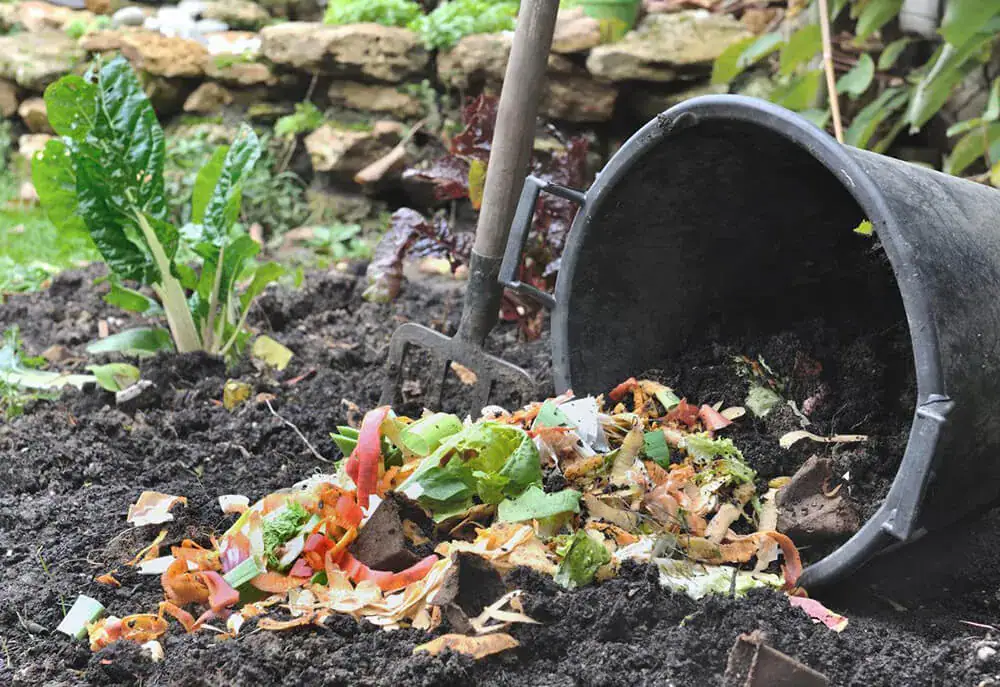
- Composting our food waste reduces landfill, incineration and in turn emissions; the release of methane, toxic ash waste and carbon dioxide into the earth’s atmosphere are all a major negative result of landfill.
- Composting reduces our dependence on fossil fuels. If we use our own compost as opposed to commercially produced versions we are reducing the negative impact that the commercial methods produce.
- Composting is healthy for the earth; you’re creating an environment for a whole new little ecosystem full of bugs, worms, bacteria and fungi, whilst emitting ZERO methane. The humus produced by the natural degradation process of your food scraps provides a rich, organic matter harbouring vital micronutrients in which to grow brand new healthy plants.
- Composting complies with the natural cycle of life; in nature there is no waste, this is a human concept which we absolutely need to start reducing. When you compost for yourself you begin to realise that decay and growth are equals, each having their place in the cycle.
- Anything that was recently alive can be composted; there are many things which people believe cannot be composted which are simply not true – anything which has not fossilised can be composted, even certain materials such as latex. Cooked food is also a legitimate entry into your compost mix, you may want to dig it down deep to avoid rat invitations and if any decay smells terrible you can remedy it by adding more dry materials such as paper, or twigs.
How to start…
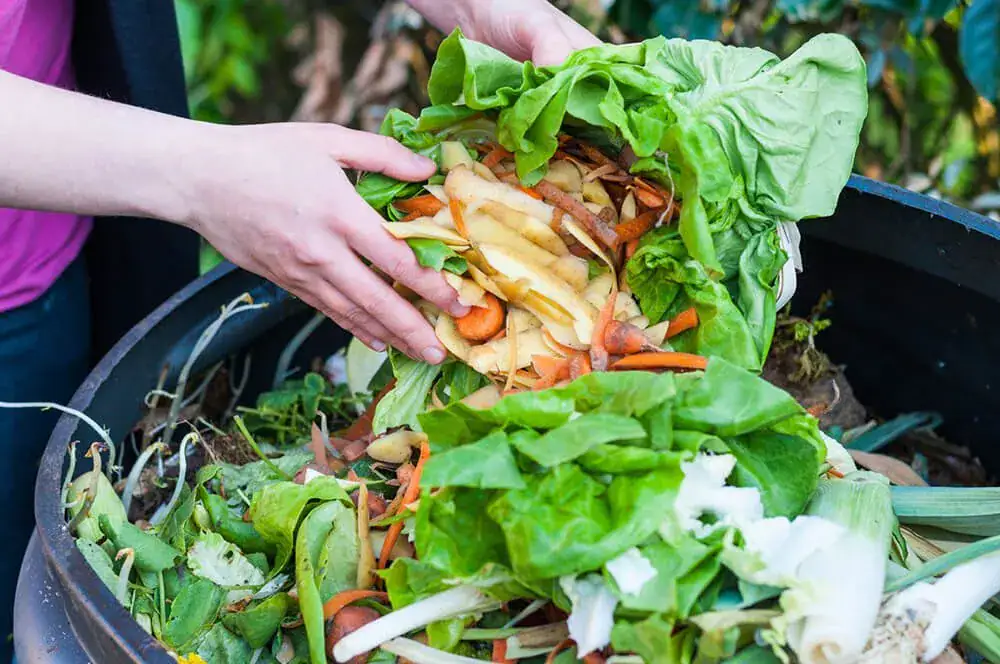
Whether you have a garden, or in a small apartment, there is a composting system that will work for you. All you need is a good composting bin and a little bit of knowledge about the process.
1.Location – where are you going to put your compost? It needs to be conveniently placed, protected from the wind, close to a hose or water outlet, and have decent drainage so the bottom of the pile will not become waterlogged. Having an indoor and an outdoor composting bin is the best way to manage your compost. The indoor bin must be leak proof and have a lid to avoid smell and fruit flies. You can find plenty of great options online or in DIY stores everywhere. Choose something that can be added easily to your kitchen space and collect all the food scraps here before you empty them into your outside compost bin. Now choose your outdoor bin; your options here are to create your own compost pile – you can literally create a pile in your garden, or use a purpose designed compost bin (if you’re handy you can build your own), or you can set up a worm farm. If you choose to buy a bin consider your waste levels to ensure it is the right size. When your indoor bin is full, you add it to your outdoor one; simple!
2.What to compost – There are two categories of waste; green and brown materials. The green materials are; grass clippings, fruit and vegetable scraps and peels, coffee grounds, etc. The brown materials are; dried leaves, newspaper, wood chips, sawdust, etc. The green is high in moisture and nitrogen rich whereas the brown is rich in carbon; an adequate amount of both is needed by the microbes responsible for decomposition in your bin. Generally one part green to two parts brown works well.
GREEN; Vegetable and fruit scraps (fresh, cooked, or canned), coffee grounds/filters, tea leaves/bags, garden waste, fresh weeds without seeds, fresh grass clippings.
BROWN: Dry leaves, straw, dry hay, sawdust, wood chips, dried grass clippings, dried weeds without seeds, shredded paper napkins, tissue paper.
DO NOT COMPOST: Meat, fish, eggs, dairy products, oily foods, bones, plants infected with disease, plastic/petroleum products, metals, synthetic materials.
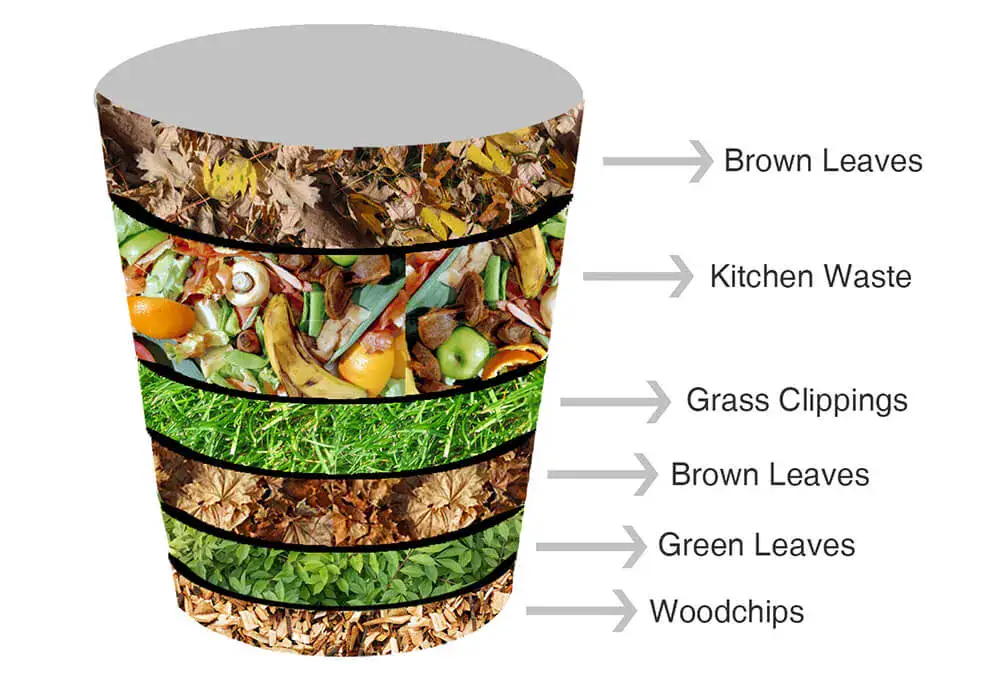
3.The Process – when your composting starts to work, this is when things really heat up, literally! The microbes begin feeding on the materials you’ve provided, and your bin or pile will actually start to rise in temperature. To start building up your pile ready for the composting process there are a few things to note:
• Start your composting with a large layer of brown material as the base
• Then begin to alternate your layers between green and brown
• The smaller the waste is, the easier and faster it will break down.
• Always cover your green layer with a brown layer immediately, as it avoids any odours
To encourage the ‘breaking-down’ your pile needs to be turned with a garden fork. Simply turn your compost to allow air (oxygen) to get into the mix.
4.The Benefits – compost improves the structure of the soil, water retention and is great for your garden and reduces the need for pesticides and fertilisers. It also helps to produce microbes which protect plants against disease. Your landfill offerings become way lower than ever before.
Here’s a more detailed list of ‘ingredients’ you can add, or avoid adding, to your compost from Planet Natural Research Centre:
Ingredients
Include:
- Leaves
- Grass clippings
- Brush trimmings
- Manure (preferably organic)
- Any non-animal food scraps: fruits, vegetables, peelings, bread, cereal, coffee grounds and filters, tea leaves and tea bags (preferably minus the staples)
- Old wine
- Pet bedding from herbivores ONLY — rabbits, hamsters, etc.
- Dry cat or dog food
- Dust from sweeping and vacuuming
- Dryer lint
- Old herbs and spices
Need Preparation or Special Time:
- All of these items can be added to compost, but if you just toss them into a normal heap, they may still be there, virtually unchanged, a season or two later. Be prepared.
- Shredded newspaper, receipts, paper bags, etc (any non-glossy paper)
- Tissues, paper towels, and cotton balls — unless soaked with bacon fat, kerosene, makeup, or other stuff that doesn’t belong in the pile!
- Cardboard, egg cartons, toilet rolls
- Used clothes, towels, and sheets made from natural fabrics — cotton, linen, silk, wool, bamboo
- Old string & twine made of natural fabrics
- Pine needles
- Pine cones
- Saw dust
- Wood chips
- Nut shells
- Twigs
- Hair, human or otherwise
- Old, dry pasta
- Nut shells
- Corn cobs
- Pits from mangos, avocados, peaches, plums, etc.
- Toothpicks, wine corks
Avoid
- Raspberry & blackberry brambles
- Long twigs or big branches
Real No-Nos
- Pet droppings, especially dogs & cats
- Animal products — meat, bones, butter, milk, fish skins
Learn more about Ethical & Sustainable eating
Here at the School of Natural Health Sciences we offer a distance learning diploma course in Ethical & Sustainable Eating. Introducing sustainable living and its philosophies, the lessons in this course provide many comprehensive definitions, including the term ‘permaculture’ and the concepts behind designing sustainable, efficient and productive ways of living. A Practitioner/Therapist Level Qualification is awarded on successful completion of this course. See our Accreditation Page for the list of independent accrediting bodies who approve and accredit our courses in the UK and around the World.
- Enrol in our Ethical & Sustainable Eating course
- View our A-Z listing of Holistic Therapies – we have over 60 to choose from!
- Contact us with any questions